Introduction: Medical-grade polypropylene cryogenic vials withstand temperatures as low as -196°C, ensuring sterile, leak-proof, and traceable storage for sensitive biologics like vaccines and gene therapies.
In many research and pharmaceutical laboratories, daily workflows reveal subtle inefficiencies that can affect sample integrity and management. Laboratory cryogenic tubes, specifically designed for preserving highly sensitive biological materials such as vaccines and gene therapy vectors, address these gaps by providing reliable, tamper-proof containment. When handling biologics that require ultra-low temperatures, the inadequacy of ordinary storage containers becomes evident, emphasizing the role of specialized cryogenic vials. A cryogenic vials manufacturer that understands these workflow challenges delivers solutions that reduce handling time and improve sample traceability, thereby streamlining operations and maintaining sample viability in critical preservation tasks.
The success of storing vaccines and gene therapy vectors hinges on the compatibility of storage vessel materials with ultra-low temperature environments. Laboratory cryogenic tubes constructed from medical-grade polypropylene (PP) and polyethylene (PE) have become widely favored for their unique ability to endure temperatures as low as -196°C, typical of liquid nitrogen vapor phase storage, without compromising structural integrity. These materials do not yield harmful leachables or absorb biomolecules, preserving the delicate nature of biologics subjected to long-term cryopreservation. A cryogenic vials manufacturer familiar with cGMP standards ensures these vials meet strict purity and biocompatibility requirements, crucial for avoiding contamination or degradation over time. Additionally, the robustness of these materials allows for sterilization methods such as autoclaving and E-beam treatment without material deformation. This adaptability is essential for environments storing sensitive vaccines and gene therapies, where consistent temperature resistance and inertness are non-negotiable. Having vials that maintain physical and chemical stability enhances confidence during transport and storage, protecting the therapeutic potential of these priceless samples.
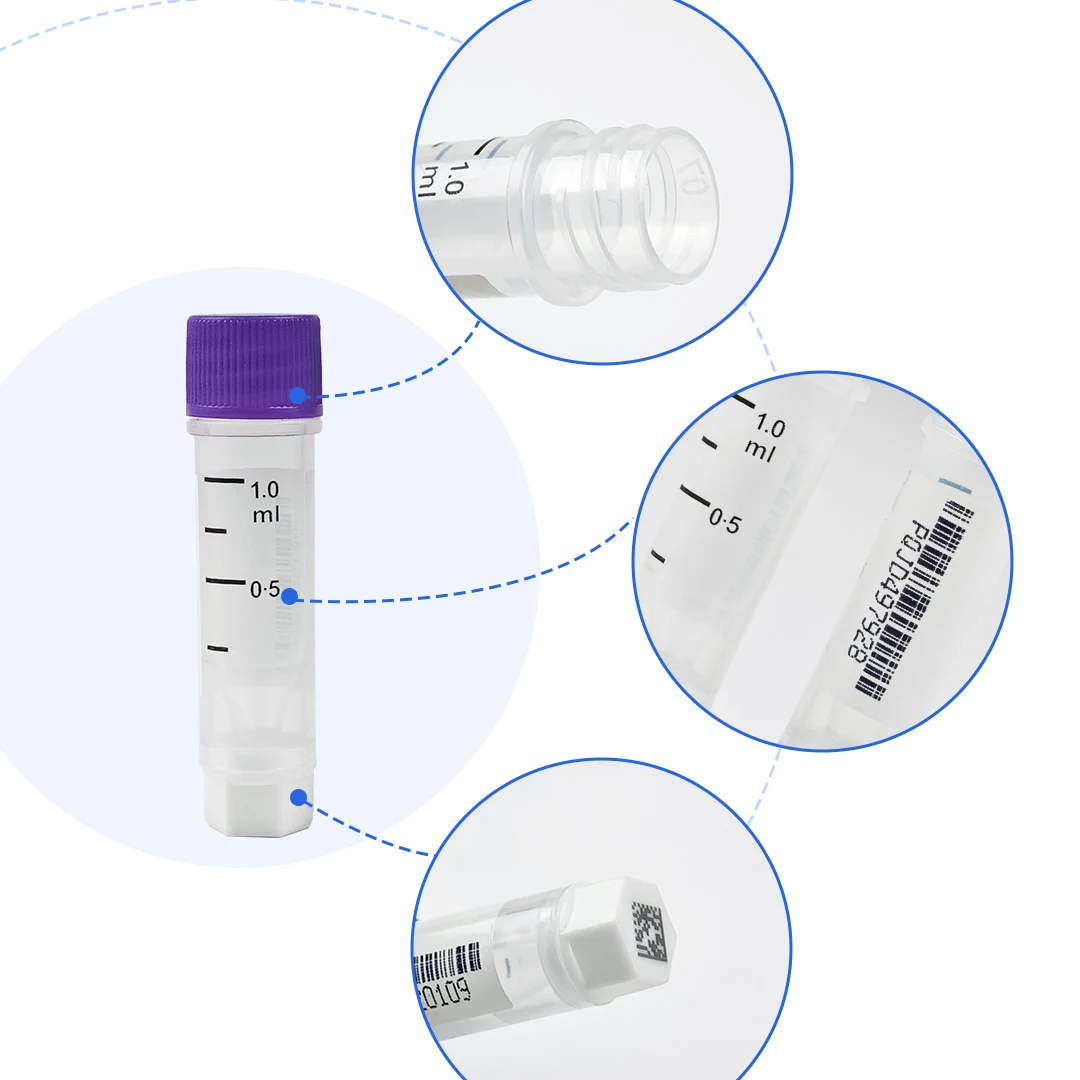
Leak prevention and sterility go hand-in-hand when selecting laboratory cryogenic tubes for biologics and vaccines. In pharmaceutical contexts, even minor breaches can lead to sample loss or contamination, jeopardizing research outcomes or patient safety. A reputable cryogenic vials manufacturer implements rigorous testing protocols to certify leak-proof performance, often exceeding standards such as IATA PI 650, verifying resistance under conditions simulating intense negative pressure in cryogenic environments. Screw caps with external or internal threading, sometimes paired with additional cap plugs, enhance the security of the sample seal, preventing accidental spillage and vapor infiltration. Beyond mechanical sealing, sterility is guaranteed by processes like E-beam sterilization at specified doses to eradicate RNases, DNases, endotoxins, and pyrogens, which could otherwise interfere with biological assays or therapeutic properties. These meticulous standards ensure that vials are ready for integration into strict pharmaceutical workflows, maintaining sample integrity without compromising compliance requirements. In practical terms, laboratories benefit from reduced risk of cross-contamination and increased reproducibility in their biobanking efforts thanks to these well-engineered features.
Managing numerous samples across experiments or clinical projects demands organized, efficient storage solutions, where the choice of laboratory cryogenic tubes can influence daily workflow. Utilizing color-coded cryogenic vials supplied by a cryogenic vials manufacturer who includes multiple labeling options simplifies identification and reduces errors during sample retrieval. Colored caps and vial bodies distinguish sample types, collection dates, or experimental groups, which aids in swift recognition amid batches stored in standardized 10×10 cryoboxes. Additionally, integrated coding systems, such as laser-etched data matrix codes combined with unique QR or barcodes, enable reliable digital sample traceability and facilitate inventory management. Packaging options featuring racks or bags tailored to vial size and quantity further optimize storage density while reducing handling stress. This thoughtful design suits fast-paced laboratory settings where time savings translate directly into better compliance and fewer mistakes. The ability to combine color coding with comprehensive barcode systems bridges physical and digital workflow components, enhancing overall sample management from preservation to analysis. For laboratories engaged in cell therapy, proteomics, or molecular biology, these organizational aids support smooth continuity in processes requiring precise sample tracking.
Choosing laboratory cryogenic tubes involves understanding their impact on storage, safety, and workflow efficiency. Making selections from a manufacturer attuned to these practical needs encourages confidence in preserving biologics at critical junctures of research and treatment development.
Quality and reliability in laboratory cryogenic tubes offer peace of mind for researchers and clinicians alike, protecting sensitive vaccines and gene therapies within thoughtfully designed, leak-proof polypropylene vials. The ability to withstand extreme temperatures while maintaining sterility and order underpins safe biobanking and pharmaceutical storage protocols.


